Commercial facility decisions made clearer before the estimate.
These guides help property teams gather better evidence, recognize connected scopes, and ask more useful questions before a repair or capital decision. They do not replace site-specific engineering, code review, emergency services, licensed professional judgment, or the written project scope.
Commercial properties onlyBuilt around facility responsibility
One accountable relationshipFrom request through completion
Scope before assumptionsProperty conditions and constraints matter
Planning topics in the library
01Emergency commercial repair intake and safe first information
02Commercial water intrusion and warehouse roof-leak response
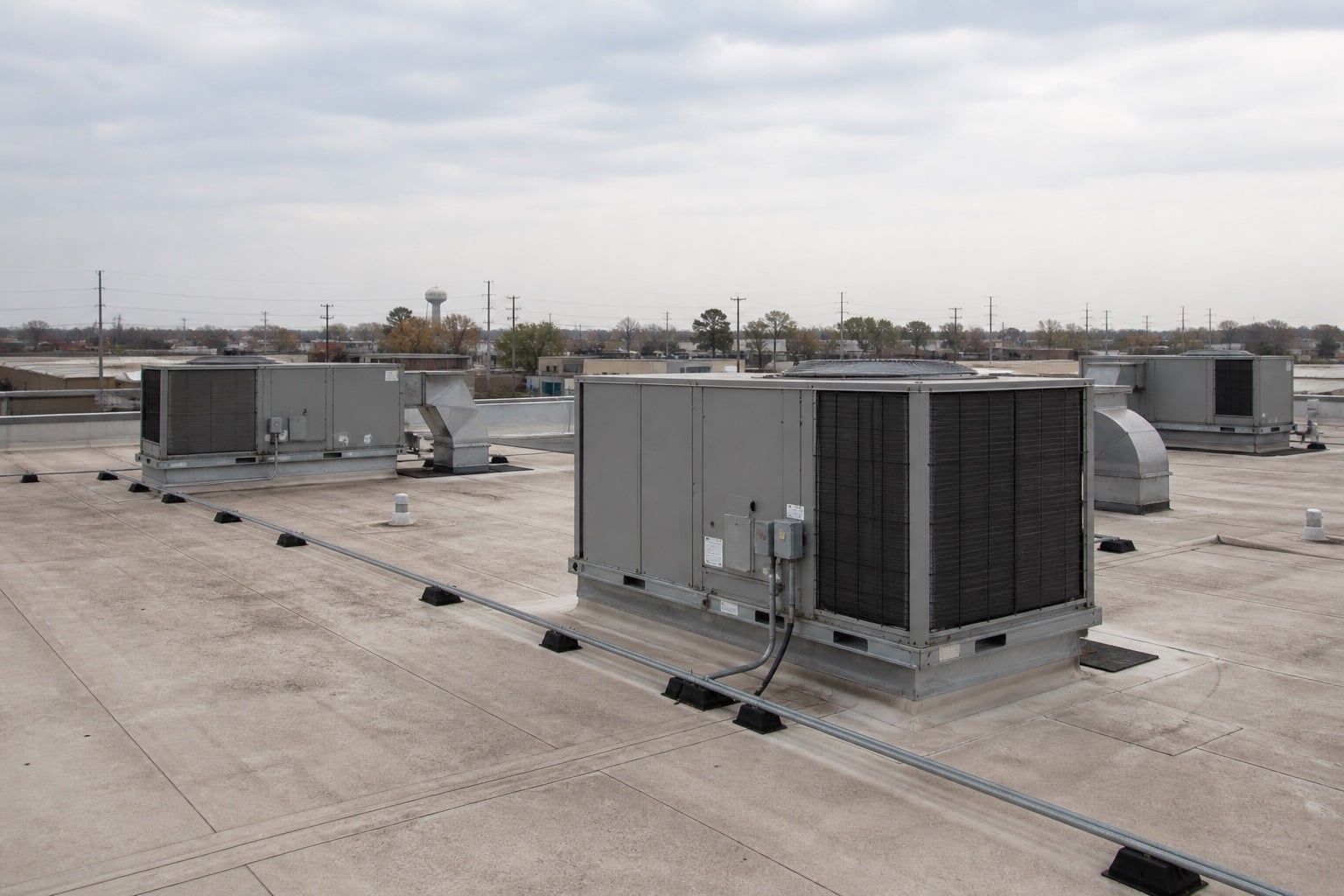
03Roof and HVAC repair-versus-replacement decisions
04Cooling tower and major building-system replacement planning
05Parking-lot and restroom renovation cost drivers
06Chicago seasonal conditions and broader project-cost decisions
Define the full property outcome before work starts.
Start with observed facts
Location, timing, weather, equipment identity, history, photos from safe positions, and operating impact are more useful than an assumed diagnosis.
Match certainty to the decision
A small repair and a major replacement require different levels of investigation, professional input, documentation, and risk review.
Use the guide to improve the request
The final scope, qualifications, code requirements, price, schedule, and responsibilities remain project-specific.
BUYER QUESTIONS
Questions about this commercial property need.
Are Meadow guides a substitute for an inspection or engineering review?+
No. They are planning resources. The actual project may require field investigation, licensed professionals, authorities, manufacturers, or other qualified specialists.
Can I request both a repair and replacement option?+
Yes when both paths are viable. The comparison should state assumptions, expected outcome, limitations, interfaces, schedule, and risk.
How current are these guides?+
The launch library was substantively reviewed on August 16, 2026. Technical and safety content should be reviewed again whenever standards, products, or operating practices change.