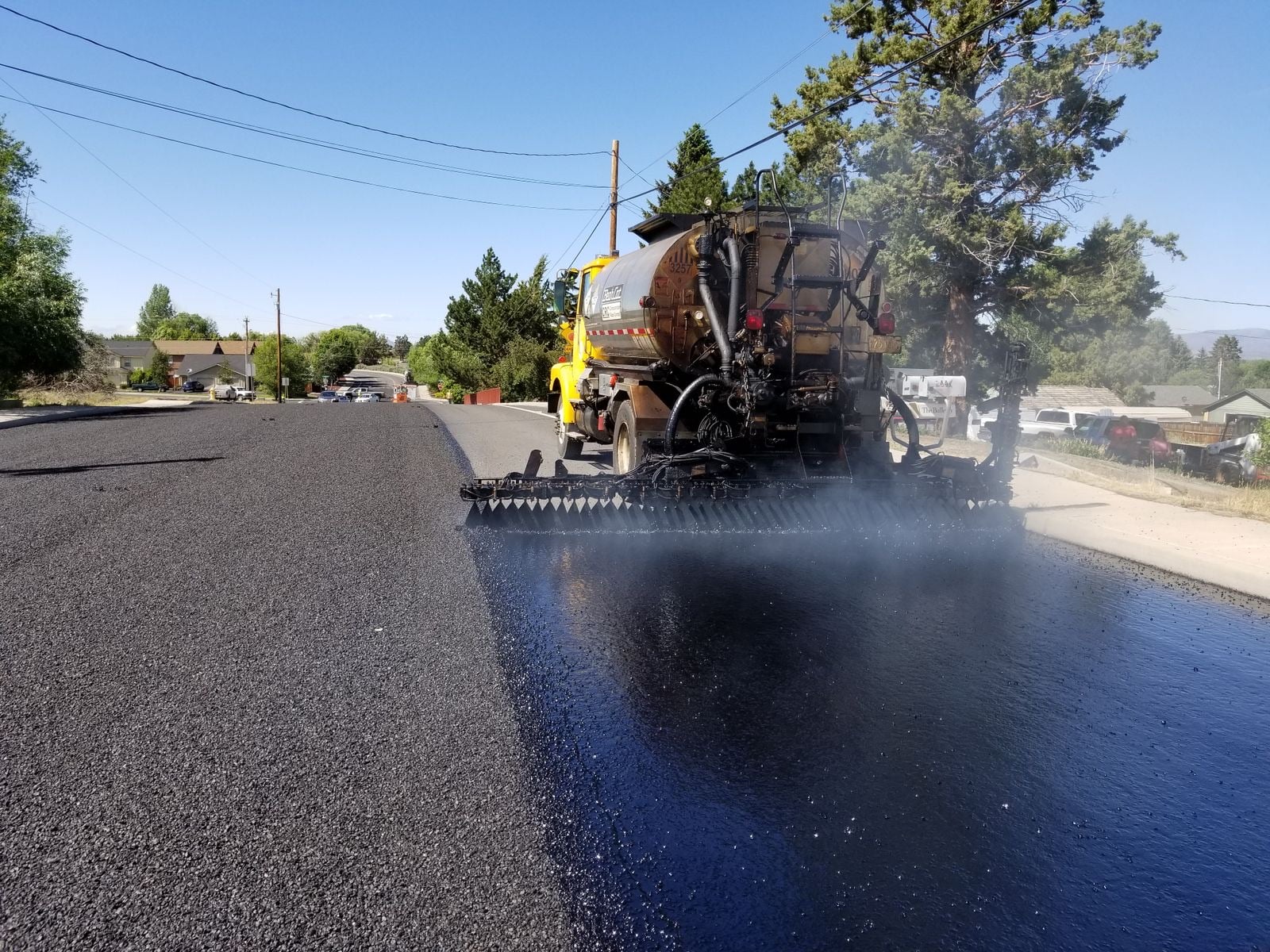
Commercial concrete repair matched to use, failure, and surrounding site work.
Concrete fails differently at a truck apron, public walkway, equipment pad, curb line, ramp, or interior slab. Meadow defines the repair around the cause, loading, drainage, access, surrounding materials, and the time the property can keep the area out of service.
Commercial properties onlyBuilt around facility responsibility
One accountable relationshipFrom request through completion
Scope before assumptionsProperty conditions and constraints matter
Commercial concrete applications
01Sidewalks, curbs, gutters, ramps, stairs, and landings
02Loading-dock aprons, approaches, pits, walls, and impact zones
03Dumpster pads, equipment pads, bollard bases, and exterior slabs
04Interior slabs, joints, spalls, settlement, and traffic-related damage
05Drainage transitions, utility cuts, pavement interfaces, and accessibility routes
06Removal, base correction, reinforcing, placement, finishing, curing, and protection
Define the full property outcome before work starts.
Correct the cause
Settlement, drainage, freeze-thaw, salt, impact, loading, reinforcement, and joint behavior point to different repair scopes.
Match the service condition
Truck traffic, pedestrians, equipment, public access, surface finish, slip resistance, and edge conditions shape the repair.
Protect the cure
Weather, mix, thickness, access, barricades, opening strength, and adjacent operations influence when the area can return to use.
BUYER QUESTIONS
Questions about this commercial property need.
Can damaged commercial concrete be patched?+
Sometimes. Patch suitability depends on depth, cause, substrate condition, movement, loading, moisture, reinforcement, edges, and expected life.
Can concrete work be coordinated with repaving?+
Yes. Curbs, walks, aprons, drains, ramps, and pavement transitions often need to be sequenced before final asphalt and striping.
How long before repaired concrete can reopen?+
It depends on the mix, thickness, weather, curing plan, loading, project requirements, and verified strength or manufacturer guidance. The return-to-service plan should be set before work begins.