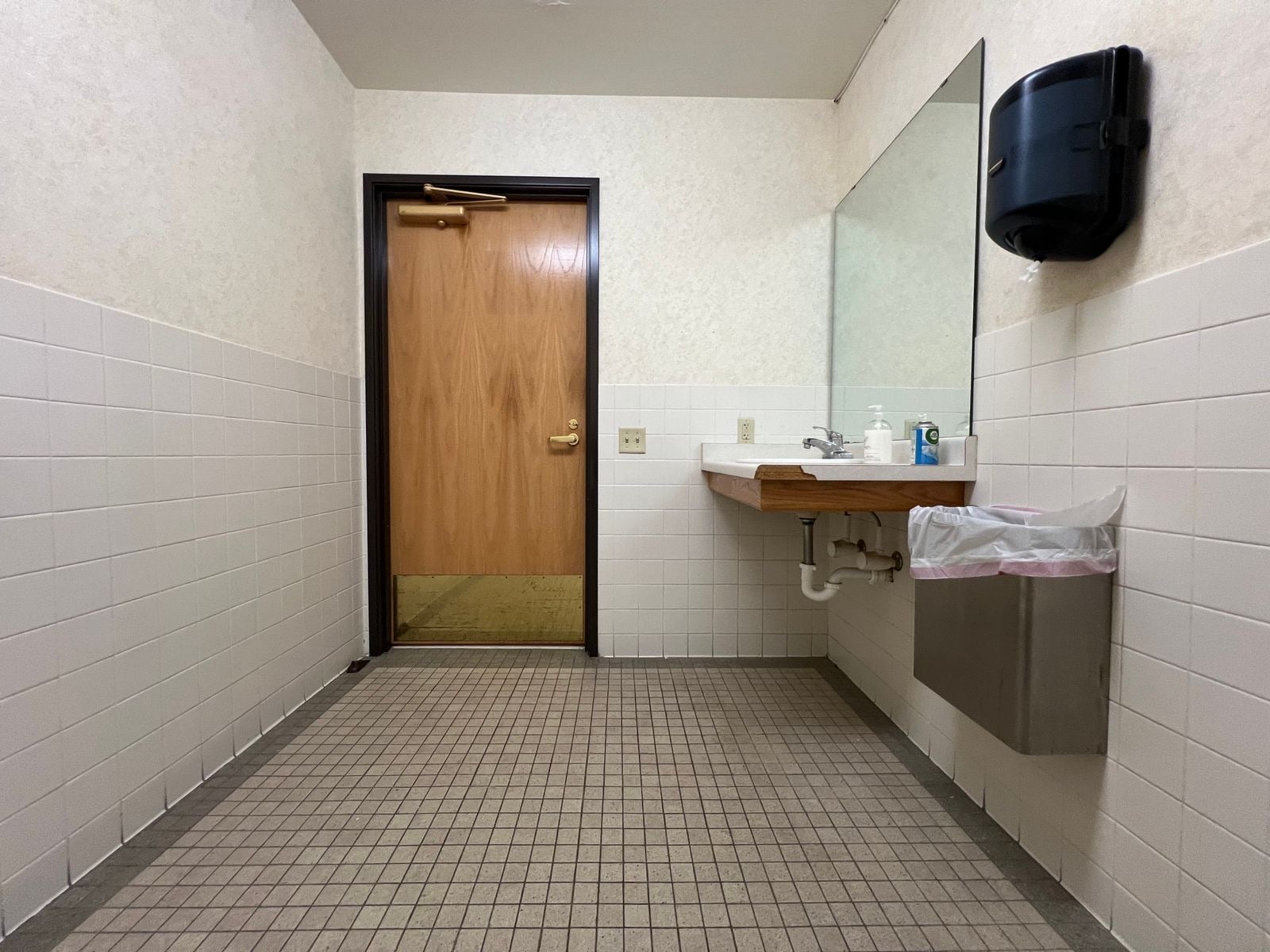
Commercial flooring replacement planned for real traffic and real downtime.
The right commercial floor depends on use, substrate, moisture, rolling loads, slip resistance, cleanability, transitions, appearance, installation window, and how quickly the space must return to service. Meadow coordinates selection and phasing with the rest of the room.
02Substrate testing, moisture, flatness, cracks, adhesives, and prior materials
03Furniture, fixtures, shelving, equipment, partitions, doors, and transitions
04Occupied-area phasing, off-hours work, access routes, dust, odor, and cure time
05Base, thresholds, stair details, accessories, protection, and final cleaning
06Mockups, samples, maintenance expectations, attic stock, and closeout
Define the full property outcome before work starts.
Select for the use
Foot traffic, carts, forklifts, chemicals, cleaning, acoustics, appearance, and repairability determine which systems belong in the comparison.
Know the substrate
Moisture, cracks, old adhesive, level changes, contamination, and movement can govern cost and performance more than the finish material.
Plan the moves
Furniture, equipment, inventory, users, entrances, curing, and cleaning should be built into the sequence—not left for the start date.
BUYER QUESTIONS
Questions about this commercial property need.
Can flooring be replaced while the business remains open?+
Often through phasing or off-hours work. Access, furniture, odor, noise, cure time, transitions, and safe routes determine the plan.
Why is moisture testing important?+
Moisture conditions can affect adhesives, resilient products, coatings, warranties, and long-term performance. Testing requirements depend on the proposed system and substrate.
Can wall, ceiling, or restroom work be bundled with flooring?+
Yes. Coordinating the finish sequence can reduce repeated moves, protection, shutdowns, and restoration work.